Procrastination 101

According to one study, 20-25% of all people are chronic procrastinators. Furthermore, we have all experienced procrastination before. Procrastination can be frustrating when the time comes to actually do something, so why do we do it? And how do we avoid this in the future?
Why do We Procrastinate?
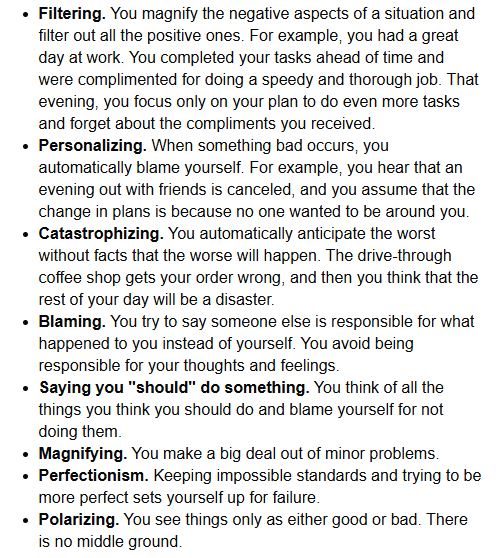
There are many reasons why we procrastinate. You could be feeling bored and looking for something more exciting to do (or see) or maybe something has distracted you in the moment. A larger reason we procrastinate is fear based. This presents itself in a lot of different ways. A few examples include: putting off that doctor’s appointment because you’re nervous about the results, anxiety about your project not being good enough so you're worried about presenting, or your work won’t live up to your perfectionist standards so there’s no point in doing it. With perfectionism in mind, it’s important to note that some mental health disorders, namely Depression, OCD, and ADHD, can also contribute greatly to procrastination. This is because they each have a greater affect on doing tasks. (It is also a good time to remind you that help is always available if needed and that just because you have said mental health disorders, it does not mean you will always procrastinate or procrastinate forever.) Finally, presence bias. Presence bias is a human tendency to take the smaller reward for the immediate gratification rather than the larger reward that you will have to wait for in a trade-off situation. (A trade-off situation is described as “a situational decision that involves diminishing or losing on quality, quantity, or property of a set or design in return for gains in other aspects.”) For instance, laying bed and binging your new TV show is more immediately gratifying than going to work out for the night as it would take much longer and more work. Now that we know the why of procrastination, it’s time to learn how to counter this going forward!
Ways to Counter Procrastination
Regardless of the reason why we procrastinate, it’s crucial to learn how to navigate around it. One trick that works for many, and can help ease you into every new goal, is the 2-minute rule. Whenever you start a new habit, it should take less than two minutes to do. For example, “hang-up my clean clothes” turns into “hang-up one item of (clean) clothing” or “read every night” turns into “finish one page.” By doing this, you are laying down an easy foundation to create a habit. This helps reinforce things you want (or need) to do and thus makes you less likely to procrastinate. Self-kindness and forgiveness may also be essential to ending procrastination. As mentioned in the why of this blog, you may be harsh on yourself (for whatever reason) and procrastinate more because of it. A study by Fuschia Sirois of Durham University found that people who are more self-compassionate are less likely to procrastinate. So, even if you are being harsh on yourself for procrastinating, it is in your best interest to break the cycle - allowing yourself forgiveness to create more positive feelings. (For more info on the 2-minute rule, click here, and check out our other blogs for more information on making a routine & maintaining positivity in general.)
Here are some other ways to deal with procrastination efficiently. One, make a to-do list. Having a visual idea of what needs to get done can make it seem more manageable. Similarly to the 2-minute rule, try breaking things down into smaller pieces if it still feels overwhelming. For instance, if you have to clean up your room but it is absolutely trashed, maybe do a ¼ or ⅛ of it at a time. Just your bed, your closet, your floor, etc. Another thing to try is minimizing distractions and recognizing your own behavior. When you start to feel yourself getting distracted, really focus into what you’re doing instead of getting pulled away to the more exciting thing. Taking away things that will divert your attention is also important. If you find your phone is irresistible, put it in another room. You could try having a focus playlist or podcast to help you lock in as well. For some, it may prove beneficial to have a friend or family member hold you accountable. This way, you have the support and encouragement from someone you love and they may even be able to give you better ideas or tools for handling your procrastination. Lastly, don’t be afraid to reward yourself, even if it’s something small. By doing so, you will feel more motivated to push on with said activity/task. Overall, there are many additional tricks, tips, and ways to rid procrastination from your life. Be sure to reflect on what works for you and adjust as needed!
End Procrastination for You!
With the understanding of why we procrastinate, and all the tools to help you in the future, you are well-equipped to avoid procrastination in the long run!

Comments